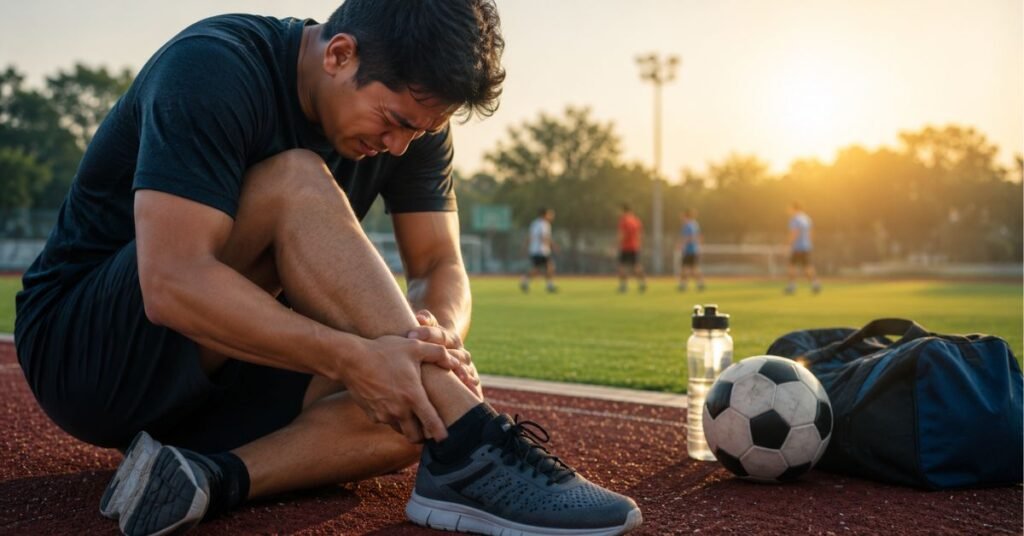
If you play cricket, football, badminton, tennis, or go for a long run only on weekends, you may have experienced this familiar feeling: you wake up on Monday morning with stiff knees, sore muscles, a painful ankle, or a shoulder that suddenly refuses to move comfortably.
You are not alone. Orthopedic clinics often see an increase in patients complaining of pain after weekend sports. These individuals are commonly called “weekend warriors”—people who are mostly inactive during the week but participate in intense physical activity on Saturdays or Sundays.
The problem is not sports themselves. Regular physical activity is excellent for your heart, muscles, bones, and mental health. The problem arises when the body is asked to perform like an athlete without consistent preparation.
In this guide, we will explain why Monday morning pain happens, the most common weekend sports injuries, how to prevent them, and when you should consult an orthopedic doctor in Indore.
What Is a Weekend Warrior?
A weekend warrior is someone who spends most of the week sitting at a desk, driving, or doing minimal physical activity, but suddenly engages in vigorous exercise or sports during the weekend.
For example:
- A software professional who plays football every Sunday.
- A business owner who joins a weekend cricket match.
- A student who plays badminton for several hours after a week of inactivity.
- An adult who starts running long distances only on weekends.
The body adapts to the level of activity it performs regularly. If muscles, tendons, ligaments, and joints are not conditioned through regular exercise, sudden intense activity can place excessive stress on them.
Why Monday Morning Pain Happens
The main reason Monday mornings hurt is that the body often reacts to sudden, unaccustomed physical stress after the activity has ended.
Delayed Onset Muscle Soreness (DOMS)
One of the most common causes is Delayed Onset Muscle Soreness (DOMS). DOMS typically appears 12–48 hours after exercise, which is why pain is often worse on Monday after weekend sports.
During intense activity, tiny microscopic tears occur in muscle fibers. This is a normal part of muscle adaptation, but it can cause:
- Muscle tenderness
- Stiffness
- Reduced range of motion
- Pain while climbing stairs or walking
DOMS usually improves within a few days, but it can feel alarming if you are not used to regular exercise.
Sudden Increase in Activity
A person who sits for 5–6 days and then plays a 3-hour cricket match is asking their body to handle a workload it has not been trained for. This sudden increase in activity can strain muscles, tendons, and joints.
Poor Warm-Up
Skipping warm-up exercises is a major reason for weekend injuries. Cold muscles are less flexible and more prone to strains.
Muscle Fatigue
As muscles become tired during prolonged play, they lose their ability to stabilize joints properly. This increases the risk of ankle sprains, knee injuries, and shoulder strains.
Common Weekend Sports Injuries
Ankle Sprains
Ankle sprains are among the most common sports injuries. They often occur when the foot twists inward while running, jumping, or landing awkwardly.
Symptoms include:
- Pain around the ankle
- Swelling
- Bruising
- Difficulty walking
Knee Injuries
Knee injuries are especially common in cricket, football, badminton, and basketball.
They may involve:
- ACL tears
- Meniscus injuries
- Patellar tendonitis
- Ligament sprains
Shoulder Injuries
Throwing, serving, or lifting can strain the shoulder muscles and tendons.
Common shoulder injuries include:
- Rotator cuff strain
- Shoulder impingement
- Dislocation
- Tendonitis
Muscle Strains
Hamstring, calf, groin, and lower back strains often occur when muscles are stretched beyond their capacity.
Tennis Elbow and Golfer’s Elbow
Repetitive arm movements in badminton, tennis, or golf can cause pain around the elbow due to tendon irritation.
Normal Soreness vs Serious Injury
It is important to know whether your Monday pain is normal muscle soreness or a sign of a more serious injury.
| Normal Soreness | Possible Injury |
| Gradual muscle ache | Sudden sharp pain |
| Affects both sides equally | One specific joint hurts |
| Improves with movement | Worsens with movement |
| No major swelling | Visible swelling or bruising |
| Lasts 2–5 days | Persists beyond a few days |
| Mild stiffness | Instability or inability to bear weight |
If you experience severe pain, swelling, instability, numbness, or inability to walk, seek medical evaluation promptly.
How to Prevent Weekend Warrior Injuries
Stay Active During the Week
The best way to prevent weekend injuries is to avoid being completely inactive Monday through Friday.
Even 20–30 minutes of moderate activity during weekdays can improve muscle strength, flexibility, and endurance.
Warm Up Properly
Spend 5–10 minutes warming up before sports.
A good warm-up includes:
- Light jogging
- Dynamic stretching
- Arm circles
- Leg swings
- Gentle squats
Increase Intensity Gradually
Do not go from zero activity to playing intensely for several hours. Increase your playing time and intensity gradually over weeks.
Wear Proper Footwear
Sports shoes should provide adequate support, cushioning, and grip for the specific activity.
Strengthen Supporting Muscles
Strong muscles protect joints. Focus on strengthening the quadriceps, hamstrings, calves, core, and shoulder muscles.
Stay Hydrated
Dehydration can contribute to muscle cramps and fatigue, increasing the risk of injury.
Recovery Tips After Weekend Sports
If you feel sore after weekend activity, these measures may help:
- Rest the affected area for a short period.
- Apply ice for 15–20 minutes if there is swelling.
- Use compression for mild ankle or knee swelling if advised.
- Elevate the injured limb when resting.
- Perform gentle stretching once acute pain reduces.
- Avoid returning to sports too soon.
Avoid massaging a severely swollen or bruised injury without medical advice, as it may worsen bleeding in some cases.
When to See an Orthopedic Surgeon
You should consult an orthopedic specialist if:
- Pain is severe or sudden.
- You cannot bear weight on the injured limb.
- The joint feels unstable.
- Swelling appears immediately after injury.
- You hear a “pop” during the injury.
- Pain does not improve after a few days of rest.
- You have recurrent injuries in the same joint.
Early diagnosis is important because untreated ligament tears, meniscus injuries, and fractures can lead to long-term joint damage.
Expert tips for safe weekend sports
- Treat weekend sports as part of a weekly fitness routine, not a once-a-week extreme event.
- Never skip warm-up and cool-down exercises.
- Stop playing if you feel sharp pain.
- Allow adequate recovery between intense sessions.
- Seek professional guidance for recurring injuries.
Key takeaways
- Monday morning pain after weekend sports is often caused by delayed muscle soreness and sudden unaccustomed activity.
- Ankle sprains, knee injuries, shoulder strains, and muscle pulls are common among weekend warriors.
- Consistent weekday activity, proper warm-up, and gradual training can significantly reduce injury risk.
- Severe pain, swelling, instability, or inability to bear weight requires orthopedic evaluation.
- Early treatment helps prevent chronic pain and long-term joint problems.
Do not let an untreated sports injury turn into chronic pain. Get expert orthopedic doctor in Indore and return to your favorite activities safely.
Call +91-9244044779 to speak with the clinic team about sports injury evaluation and treatment.
Dr. Sanjay Rawat is a Consultant Arthroplasty & Orthopedic Surgeon at Shalby Hospital, Indore, specializing in knee and hip replacement, sports injuries, arthritis management, and advanced orthopedic care. He focuses on evidence-based treatment and personalized rehabilitation to help patients regain mobility safely.