Living and working have evolved with remote work, never ending meetings and smartphones. There has been an increase in the number of adults reporting hip stiffness, discomfort and decreased flexibility. With these concerns escalating, some people consult a hip replacement doctor in Indore for information on the future complications that might occur with their joint replacement surgery.
So how can you know if your hips need help?
Hip stiffness can be a progressive process and not occur suddenly.
Common signs include:
- If you have trouble getting out of bed after sitting for a while.
- Lacking flexibility in exercise.
- Pain when walking for an extended period of time
- Climbing stairs is painful
- Limited ability to bend or straighten back and knees or lift legs
At first, they may not be very obvious but become more prominent when not taken care of.
Younger adults experiencing hip problems?
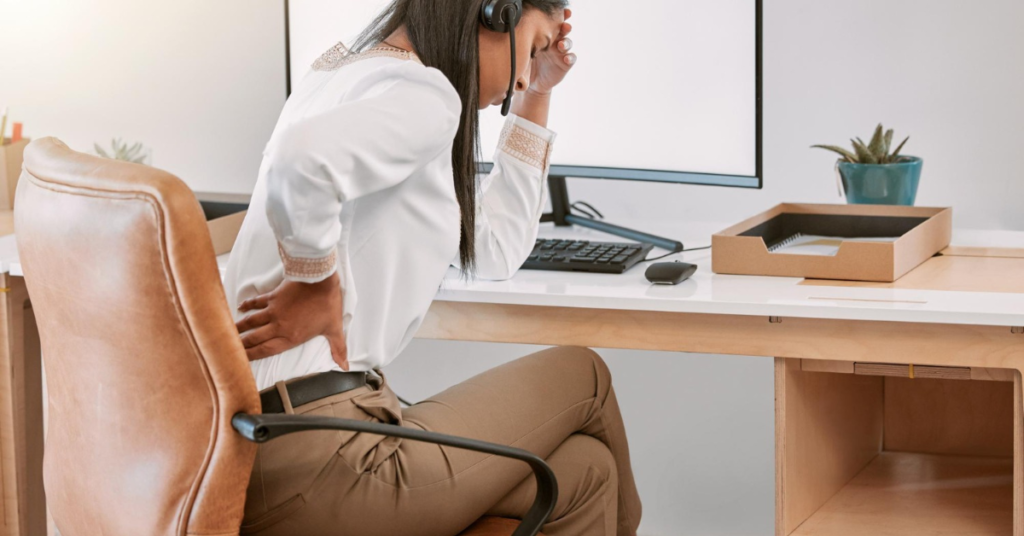
The average age for hip complaints is no longer the elderly. People in their 30s and 40s are more likely to experience mobility problems that are associated with extended sitting and decreased levels of activity.
The hip joint can be stressed further due to poor posture, weight gain, insufficient stretching and reduced mobility. These can cause joint wear and tear over time, and decrease comfort.
Stiffness is often seen as a natural consequence of ageing – but not always. When the hip joint continues to cause pain and interferes with your normal life, it is advisable to consult the best hip replacement doctor in Indore to find out the cause and help in maintaining the health of the joint.
FAQs
If hip pain or stiffness continues for several weeks and affects daily activities, a hip replacement doctor in Indore can evaluate the condition.
Long periods of sitting may contribute to stiffness, muscle weakness, and reduced mobility around the hip region.
Not always. However, recurring symptoms should be assessed to rule out underlying joint issues.
The Best hip replacement doctor in Indore can identify the cause of symptoms and recommend treatment or lifestyle modifications.
Regular movement, stretching, maintaining a healthy weight, and avoiding prolonged sitting can help support hip health.