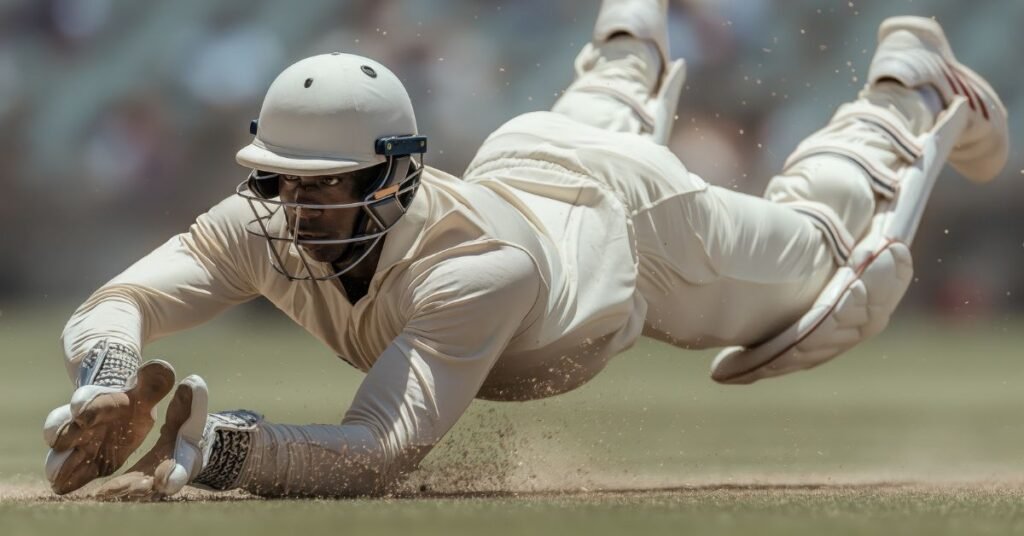
Cricket is more than just a sport—it’s a passion for millions. From weekend matches with friends to competitive club tournaments, amateur players spend hours batting, bowling, and fielding. While cricket is excellent for fitness, the repetitive movements, sudden sprints, diving catches, and fast bowling can put significant stress on your joints. As a result, cricket injuries involving the knee and shoulder are becoming increasingly common among amateur players.
Many people ignore early signs of discomfort, assuming the pain will disappear on its own. However, untreated sports injuries can worsen over time and may eventually require prolonged rehabilitation or even surgery. If your pain persists after playing, consulting an Orthopedic Doctor in Indore can help identify the exact cause and begin the right treatment before the injury becomes more serious.
Why Are Cricket Players Prone to Injuries?
Cricket involves a combination of running, twisting, jumping, throwing, and repetitive overhead movements. Every role in the game places stress on different parts of the body.
- Bowlers repeatedly rotate their shoulders and knees.
- Batsmen perform quick turns and explosive sprints.
- Fielders dive, throw, and change direction rapidly.
- Wicketkeepers squat for long periods, placing continuous pressure on the knees.
Without proper conditioning, these movements can lead to overuse injuries or sudden trauma.
Common Knee Injuries in Cricket Players
1. ACL (Anterior Cruciate Ligament) Injury
The ACL is one of the major ligaments that stabilizes the knee. Sudden twisting while fielding or landing awkwardly after a jump can cause an ACL tear.
Symptoms
- A popping sensation at the time of injury
- Immediate swelling
- Severe knee pain
- Difficulty walking
- Feeling that the knee gives way
2. Meniscus Tear
The meniscus acts as a shock absorber inside the knee joint. Twisting while batting or sudden pivots during fielding can damage it.
Symptoms
- Knee locking
- Pain during squatting
- Swelling
- Difficulty bending or straightening the knee
3. Patellar Tendinitis (Jumper’s Knee)
Repeated sprinting, bowling, and jumping place stress on the tendon below the kneecap.
Symptoms
- Pain below the kneecap
- Tenderness after playing
- Pain while climbing stairs
- Discomfort during running
Common Shoulder Injuries in Cricket Players
Rotator Cuff Injury
The rotator cuff muscles stabilize the shoulder during bowling and throwing. Repetitive overhead movements may cause inflammation or tears.
Symptoms
- Shoulder pain while bowling
- Weakness during throwing
- Pain while lifting the arm
- Difficulty sleeping on the affected side
Shoulder Impingement Syndrome
Repeated bowling can cause tendons inside the shoulder to become compressed.
Symptoms
- Pain while raising the arm
- Clicking sensation
- Reduced shoulder movement
- Pain after long bowling sessions
Shoulder Instability
A fall during fielding or repeated strain may cause the shoulder joint to become unstable.
Symptoms
- Feeling that the shoulder slips out of place
- Pain during overhead activities
- Weakness
- Recurrent dislocations
Early Warning Signs You Should Never Ignore
Many amateur players continue playing despite pain, increasing the risk of serious injury.
Consult an orthopedic specialist if you experience:
- Persistent knee pain after playing cricket
- Shoulder pain lasting more than a week
- Swelling that does not improve
- Difficulty walking or lifting your arm
- Joint instability
- Limited movement
- Pain that affects your daily activities
Early diagnosis often leads to faster recovery and helps prevent long-term joint damage.
Risk Factors for Cricket Injuries
Several factors increase the likelihood of sports injuries among amateur cricketers.
- Skipping warm-up exercises
- Poor bowling or batting technique
- Weak muscles around the knee and shoulder
- Playing on uneven grounds
- Inadequate stretching
- Overtraining without rest
- Wearing inappropriate footwear
- Returning to play before complete recovery
How to Prevent Cricket Injuries
Preventing injuries is easier than treating them. Follow these tips before every match or practice session.
Warm Up Properly
Spend at least 10–15 minutes performing light jogging, mobility exercises, and dynamic stretching.
Strength Training
Strengthen your quadriceps, hamstrings, shoulders, back, and core muscles to improve joint stability.
Improve Flexibility
Regular stretching reduces muscle tightness and improves movement.
Practice Correct Technique
Proper bowling, batting, and fielding techniques reduce unnecessary stress on joints.
Wear Proper Equipment
Use cricket shoes with good grip and protective gear that fits correctly.
Rest and Recovery
Allow adequate recovery time between matches and avoid excessive training.
Stay Hydrated
Proper hydration helps maintain muscle function and reduces fatigue.
Treatment Options for Cricket Injuries
Treatment depends on the severity of the injury.
Common treatment options include:
- Rest and activity modification
- Ice application
- Compression and elevation
- Physiotherapy
- Pain management
- Knee or shoulder braces
- Sports rehabilitation
- Arthroscopic surgery for severe ligament or tendon injuries
Most amateur players recover successfully with early diagnosis and a structured rehabilitation program.
When Should You See an Orthopedic Doctor in Indore?
Consult an Orthopedic Doctor in Indore immediately if you experience:
- Severe knee or shoulder pain after playing cricket
- Swelling that does not improve within 48 hours
- Difficulty walking or lifting your arm
- A popping sensation during injury
- Knee instability or repeated shoulder dislocation
- Pain that returns every time you play
- Inability to resume sports despite rest and physiotherapy
Seeking treatment early can reduce recovery time and help you return to cricket safely.
Cricket is an exciting and rewarding sport, but it also places significant demands on your knees and shoulders. Recognizing the early signs of cricket injuries, following preventive measures, and seeking timely medical care are essential for maintaining long-term joint health.
If you experience persistent knee pain, shoulder pain, swelling, or limited movement after playing cricket, don’t ignore the symptoms. Consulting an experienced Orthopedic Doctor in Indore can help you receive an accurate diagnosis, effective treatment, and a personalized rehabilitation plan so you can recover safely and return to the game with confidence.
Why Visit an Orthopedic Doctor in Indore for Cricket Injuries?
Whether you’re a recreational cricketer or play competitive matches, persistent knee or shoulder pain should never be ignored. An experienced Orthopedic Doctor in Indore can accurately diagnose sports injuries using a physical examination and imaging tests such as X-rays or MRI scans when required.
Early diagnosis helps prevent complications like ligament tears, cartilage damage, chronic shoulder instability, and long-term joint problems. Treatment may include medication, physiotherapy, sports rehabilitation, minimally invasive arthroscopic surgery, or personalized recovery plans based on the severity of the injury.
Frequently Asked Questions (FAQs)
What is the most common cricket injury?
Knee ligament injuries, meniscus tears, ankle sprains, and rotator cuff injuries are among the most common cricket injuries.
Why does my knee hurt after playing cricket?
Knee pain may result from ligament injuries, meniscus tears, tendon inflammation, muscle strain, or overuse.
Can shoulder pain from bowling heal without surgery?
Many shoulder injuries improve with rest, physiotherapy, and rehabilitation. Severe tendon tears or recurrent instability may require surgery.
How can I prevent cricket injuries?
Warm up properly, strengthen your muscles, improve flexibility, use correct techniques, wear appropriate footwear, and avoid overtraining.
When should I consult an orthopedic doctor?
Seek medical advice if pain lasts more than a few days, swelling increases, movement becomes restricted, or you experience joint instability.