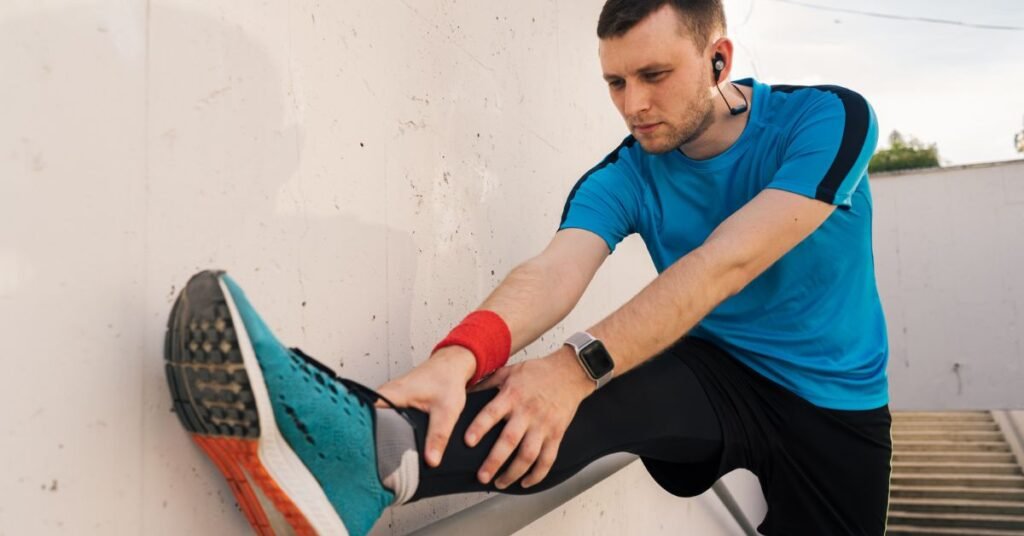
Running a marathon is an exciting goal that improves fitness, endurance, and overall health. However, many first-time runners increase their training too quickly or overlook proper recovery, making them more susceptible to running injuries. While mild soreness is a normal part of training, persistent pain should never be ignored.
Whether you’re preparing for your first 5K, half marathon, or full marathon, understanding the most common marathon running injuries can help you stay injury-free and complete your race safely. If pain continues despite rest, consulting an Orthopedic Doctor in Indore can help diagnose the problem early and prevent long-term complications.
Why Are Marathon Beginners More Prone to Running Injuries?
Unlike experienced runners, beginners often place excessive stress on their muscles, tendons, ligaments, and joints because their bodies have not yet adapted to long-distance running.
Common reasons include:
- Increasing mileage too quickly
- Skipping warm-up and stretching
- Wearing worn-out or improper running shoes
- Weak leg and core muscles
- Poor running technique
- Insufficient rest between training sessions
- Running on hard or uneven surfaces
Common Running Injuries Every Beginner Should Know
1. Runner’s Knee (Patellofemoral Pain Syndrome)
Runner’s knee is one of the most common running injuries affecting marathon beginners. It develops when repetitive stress irritates the kneecap and surrounding tissues.
Symptoms
- Pain around or behind the kneecap
- Pain while climbing stairs
- Knee discomfort after long runs
- Clicking or grinding sensation
2. Shin Splints
Shin splints cause pain along the front or inner part of the shinbone due to repetitive impact.
Symptoms
- Pain along the shin
- Tenderness
- Mild swelling
- Pain that worsens during running
Ignoring shin splints may increase the risk of a stress fracture.
3. Achilles Tendinitis
The Achilles tendon connects the calf muscles to the heel. Overtraining often causes irritation and inflammation.
Symptoms
- Heel pain
- Stiffness in the morning
- Pain while running uphill
- Swelling near the heel
4. Stress Fracture
A stress fracture is a tiny crack in the bone caused by repetitive force rather than a single injury.
Symptoms
- Localized pain
- Pain that worsens with activity
- Swelling
- Tenderness over the affected bone
Stress fractures commonly affect the shin, foot, and hip.
5. IT Band Syndrome
The iliotibial (IT) band is a thick tissue running along the outside of the thigh.
Symptoms
- Pain on the outer side of the knee
- Pain after long-distance running
- Tightness along the thigh
6. Plantar Fasciitis
This condition affects the thick band of tissue beneath the foot.
Symptoms
- Heel pain
- Pain during the first steps in the morning
- Foot discomfort after running
Early Warning Signs You Shouldn’t Ignore
Seek medical attention if you experience:
- Pain lasting more than one week
- Swelling around a joint
- Difficulty walking
- Persistent knee pain after running
- Inability to continue training
- Pain that returns every time you run
Early treatment prevents minor injuries from becoming serious problems
How to Prevent Running Injuries
Following a proper training plan significantly reduces your risk of injury.
Increase Distance Gradually
Avoid increasing your weekly running distance by more than 10%.
Warm Up Before Every Run
Spend 10–15 minutes performing dynamic stretches and light jogging.
Strength Training
Build strength in your hips, thighs, calves, and core to improve stability.
Wear Proper Running Shoes
Replace running shoes every 500–800 kilometers, depending on wear.
Rest and Recover
Schedule rest days to allow muscles and joints to recover.
Stay Hydrated
Hydration supports muscle function and reduces fatigue during training.
Improve Running Technique
Proper posture and stride reduce stress on the knees and ankles.
When Should You Visit an Orthopedic Doctor in Indore?
If your pain does not improve after rest or continues to worsen, consult an Orthopedic Doctor in Indore.
Seek medical care if you have:
- Severe knee pain after running
- Persistent heel pain
- Swelling that lasts several days
- Difficulty bearing weight
- A popping sensation during activity
- Recurrent sports injuries
- Pain affecting daily activities
Early diagnosis can prevent long-term joint damage and shorten recovery time.
Treatment Options for Running Injuries
Treatment depends on the type and severity of the injury.
Common treatments include:
- Rest and activity modification
- Ice therapy
- Compression and elevation
- Pain management
- Physiotherapy
- Sports rehabilitation
- Custom orthotics when required
- Arthroscopic surgery for severe injuries
Most beginners recover well with early diagnosis and a structured rehabilitation program.
Tips for Marathon Beginners
Before starting marathon training, keep these tips in mind:
- Follow a structured training schedule.
- Cross-train with cycling or swimming.
- Eat a balanced, protein-rich diet.
- Stretch after every run.
- Listen to your body.
- Never ignore persistent pain.
- Replace worn-out running shoes regularly.
Training for your first marathon is a rewarding journey, but it also increases the risk of running injuries if you train improperly. Recognizing symptoms early, following injury prevention strategies, and allowing adequate recovery can help you stay healthy throughout your training.
If you develop ongoing knee pain, heel pain, shin pain, or other sports-related injuries, consult an experienced Orthopedic Doctor in Indore for a proper evaluation and personalized treatment plan. Early intervention can help you recover faster and get back to running safely.