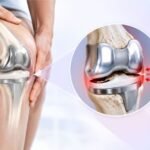

Some tightness is normal after knee replacement surgery, but when the knee won’t bend or straighten as anticipated, it can interfere with walking, stairs and daily life. Early treatment of knee stiffness in Indore can often enhance mobility and prevent the condition from becoming permanent.
What is stiffness?
Doctors test how far the knee bends and straightens against expected recovery. Having difficulty straightening the knee fully is particularly problematic as it interferes with walking.
Common reasons
- Arthrofibrosis (scar tissue formation)
- Fear of movement or bad physiotherapy
- Swelling and pain
- Positioning or size of implant problems
Infections
- Pre-existing stiffness prior to surgery
- Complex regional pain syndrome (rarely)
Symptoms
- Limited flexion and extension
- Trouble going up stairs or getting out of a chair
- Pain, stiffness on movement
- A walking pattern that is abnormal
Diagnosis
Your orthopedic doctor will check your range of motion, look for swelling, and review X-rays. Blood tests can be done to rule out infection.
Treatment Options
- Regular, monitored physical therapy
- Control of pain and swelling
- Stretching and strengthening exercises
- Manipulation under anesthesia, usually in the first few months
- Arthroscopic or open scar tissue removal
- Revision Surgery for Implant Complications
The need to act early
Treatment is most effective when starts early. Delay lets scar tissue mature, making it harder to fix.
Follow your physiotherapy plan Control pain so you can exercise Report limited motion early Tips
If your knee feels tight months after surgery, then book a consultation to find out why and how best to regain movement.