
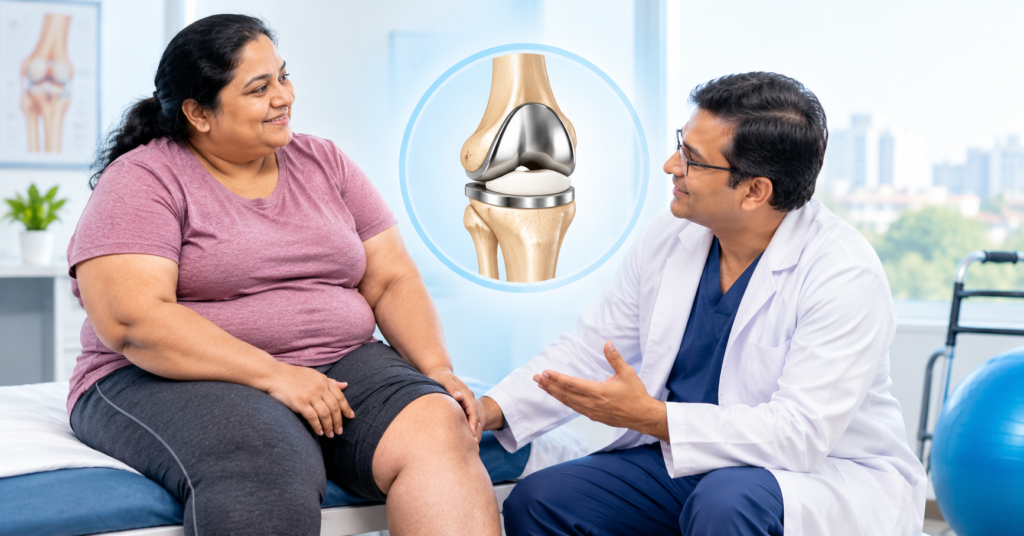
Knee pain can make everyday activities such as walking, climbing stairs, standing for long periods of time, and getting up from a chair more difficult. For people living with obesity, these challenges may become more noticeable because additional body weight places greater mechanical stress on the knee joints.
When knee arthritis progresses, cartilage damage can cause persistent pain, stiffness, and reduced mobility. If medication, physiotherapy, activity modification, and other suitable treatments no longer provide adequate relief, knee replacement may be considered.
Can Patients with Obesity Undergo Knee Replacement?
Obesity does not automatically mean that a patient cannot undergo knee replacement. Suitability depends on several factors, including the severity of arthritis, overall health, mobility, and potential surgical risks.
Before recommending treatment, the medical team may assess blood sugar levels, blood pressure, cardiovascular health, medications, and other conditions that could influence recovery.
How Can Patients Prepare for Surgery?
Patients may benefit from a personalized preparation plan that includes balanced nutrition, appropriate physical activity, and management of existing medical conditions.
Useful steps include:
- Discussing realistic weight management goals with a healthcare professional.
- Following medical advice for controlling diabetes and blood pressure.
- Performing suitable strengthening exercises when recommended.
- Reviewing medicines and supplements before surgery.
- Preparing the home environment for safer movement after the procedure.
Patients should avoid crashing diets or strenuous exercises that worsen knee pain.
Is Weight Loss Necessary Before Knee Replacement?
Weight reduction may improve general health and reduce pressure on the knee. But there is no single weight loss goal that is right for everyone. Patients with severe arthritis also may have trouble exercising because of pain.
A knee replacement surgeon in Indore will be able to assess the degree of joint damage, take into account personal health risk factors and advise on any weight management or other medical preparations that may be helpful before surgery.
What happens in the recovery?
Recovery usually involves pain control, gradual walking, prescribed exercises, and physical therapy. progress depends on overall health, strength of muscles and adherence to the rehab plan
Maintaining a normal lifestyle after your surgery can help support mobility and put less unnecessary stress on your new joint.
Knee replacement might be an option for some patients with obesity whose arthritis significantly limits their daily life. Individual assessment, good preparation, and structured rehabilitation help patients make informed decisions about treatment. Consult with an orthopedic specialist in Indore about your symptoms and health issues to find out about the treatment options you have for your condition.


