
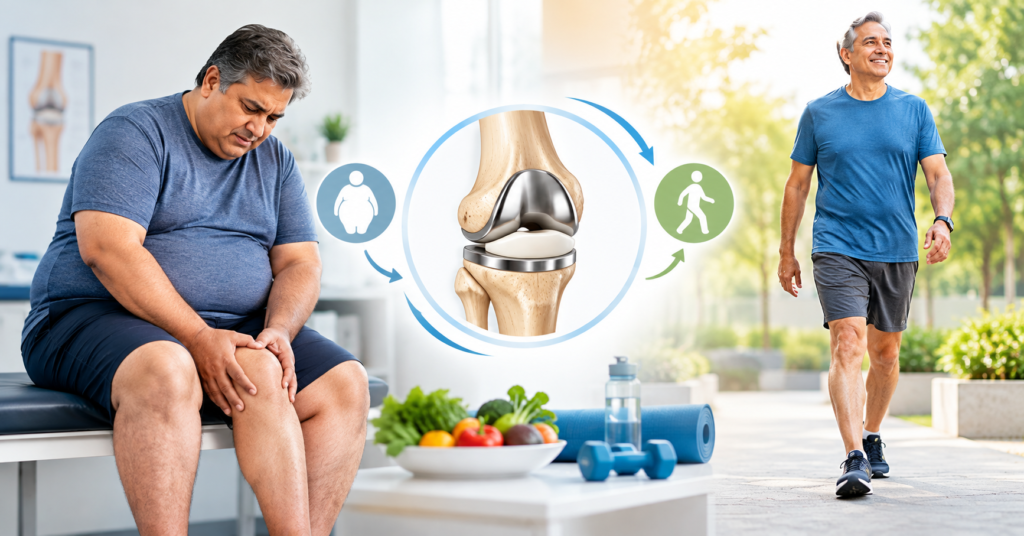
If you have severe arthritis that causes you constant pain, stiffness, and difficulty with everyday activities, you may be advised to have a knee replacement. Patients often ask before surgery if their body weight will affect the outcome.
Weight may affect the pressure in the knee joint. Weight may relate to surgical risks. But it’s just one of many considerations in treatment planning and recovery.
The significance of body weight
As we walk, stand and go upstairs we put a lot of body weight on our knees. Increased body weight has been linked to increased joint loading and progression of osteoarthritis.
Those with advanced arthritis might:
- Pain in normal movement.
- Swelling and Pain Trouble walking long distances.
- Less involvement in physical activity
- More help needed with activities of daily living.
Knee replacement surgery is meant to fix the damaged joint, but the results vary according to individual factors.
Do patients with a higher bodyweight benefit?
Many of the heavier patients have less arthritis pain and better function after knee replacement. But obesity can increase the risk of complications such as wound problems, infection and difficulty in recovery.
The decision to continue should be based on a balanced judgment of potential benefits and risks, and not merely on body weight.
What Affects Recovery?
Determinants of recovery after knee replacement
- Health in general: Conditions such as diabetes, heart disease and high blood pressure may affect planning of surgery.
- Strengthening. Strengthening exercises can support the muscles that support the knee.
- Nutrition: Adequate nutrition helps in the healing of tissue and general health.
- Medical preparedness: Proper testing and management of pre-existing conditions can help detect potential issues.
- Rehabilitation: Physiotherapy helps with mobility, strength, balance, and walking.
Should I lose weight before surgery?
So, if it benefits your health or blood sugar or stamina, weight loss can be good for you. But extreme dieting and rapid weight loss without medical supervision should be avoided.
People with painful arthritis may need a modified exercise plan, as well as guidance from a health care professional about nutrition. The appropriate course depends on mobility, medical history, and the amount of joint damage.
How can patients prepare for better recovery?
Patients should talk to their healthcare team about their existing conditions and medicines before surgery. They can also help coordinate assistance to perform activities around the house, improve walking safety, and understand the proposed physiotherapy plan.
After surgery, it is important to follow the rehabilitation advice and to attend follow up appointments to monitor progress. Don’t compare your results with others. Each patient heals differently.
A personal assessment tells you if knee replacement is right for you and if you need to do anything else to get ready. Patients need to discuss their goals of treatment, potential complications, and what to expect in recovery with their medical team. Consulting the knee replacement surgeon in Indore can help patients understand their individual treatment options and make informed decisions.


