
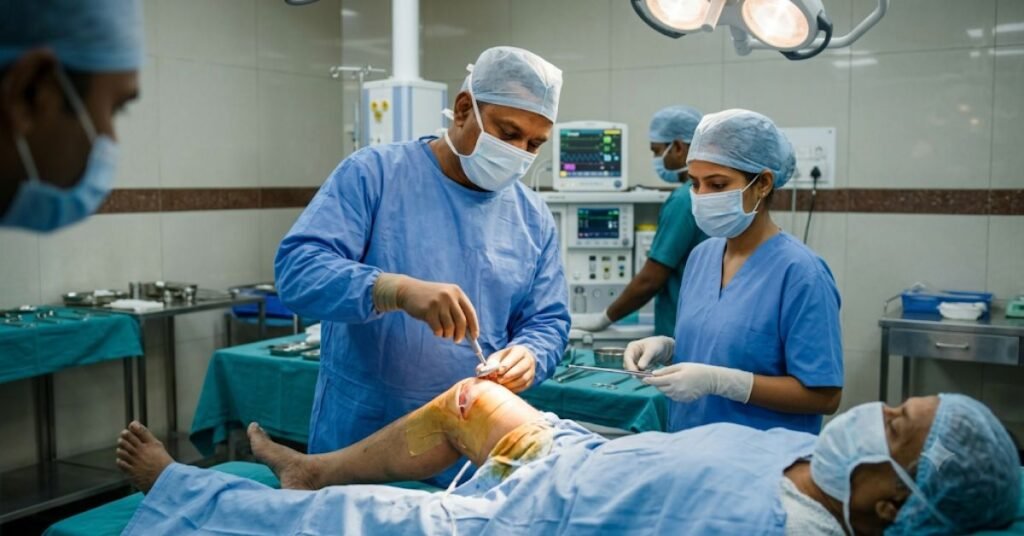
Having diabetes does not mean you cannot have knee replacement surgery. However, management of blood sugar and general medical preparation are important considerations before an elective joint replacement procedure.
People with diabetes who have other health problems that need attention may require surgery. With proper preparation, the medical team can identify and control potential risks.
Why is diabetes important before surgery?
Blood sugar levels can influence how well the body responds to stress and recovers from surgery. Diabetes can also exist with other conditions such as high blood pressure, obesity, or cardiovascular disease.
Therefore, your orthopedic and medical teams may assess your health before scheduling your surgery.
What Is Checked Before Knee Replacement?
Pre-operative assessment may involve:
- Checking blood sugar
- HbA1c, where appropriate
- Blood pressure
- Kidneys function
- Heart assessment when indicated
- Medication review
- General physical examination
The tests will depend on your medical history.
Are diabetes drugs to be changed?
Some diabetes medicines may need to be changed around the time of surgery. Patients should never change their medications themselves.
Your team will give information about medicine, food, and blood sugar.
Is surgery impossible with diabetes?
Not necessarily. This will depend on the patient’s general health and the control of any medical problems.
If you are considering knee replacement, consult a knee replacement surgeon in Indore to help explain the orthopedic requirements while your medical team manages your diabetes.
Preparing Your Body for Surgery Preparation may include Following your diabetes management plan.
- Participating in pre-operative medical assessments.
- Nutrition maintenance.
- Following the prescribed physical activity.
- New symptoms or infections reported.
- Taking medicines exactly as prescribed.
How About Recovery?
After knee replacement, recovery includes wound care, pain management, mobility training and physiotherapy. Depending on circumstances, diabetes patients may require closer monitoring.
You will also need to follow any instructions for looking at the wound and for follow-up visits.
Work With Your Healthcare Team
Knee replacement is more than surgery. Successful recovery requires coordination between the orthopedic team, medical specialists, physiotherapists, and the patient.
If you have diabetes and severe arthritis in the knee, talk with your doctors about surgical and non-surgical options. A personalized assessment can help determine if replacement is appropriate and what preparation may be needed.


