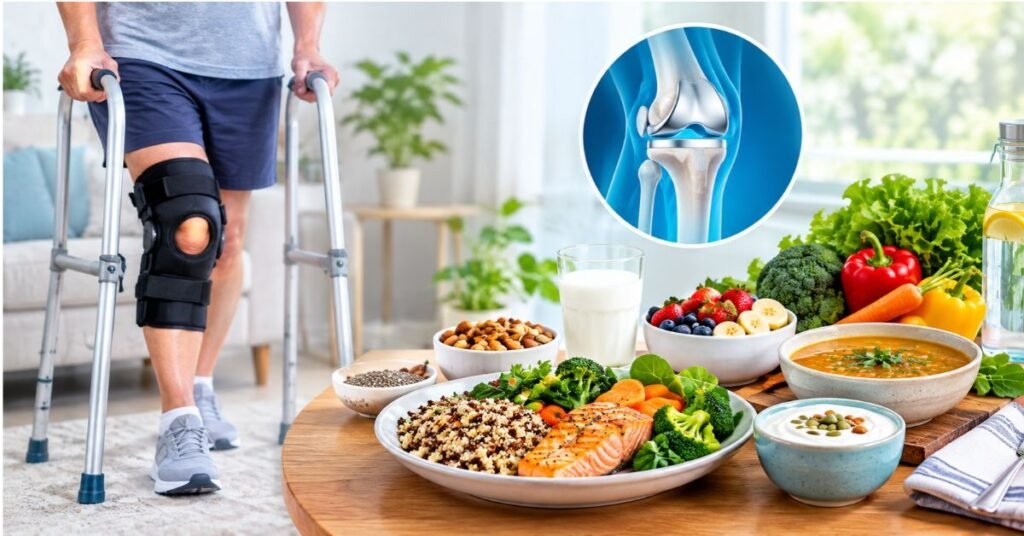
Surgery is a real stress on the body and healing requires fuel. A good diet isn’t a substitute for physiotherapy, but it does help tissue repair, keep your energy up, and helps you manage your weight, which protects your new joint. Any joint replacement surgeon in Indore will tell you that food is part of the treatment if you ask.
The key nutrients to look out for:
• Protein helps with muscle and wound healing. Dal, curd, paneer, eggs, fish, chicken and sprouts are good options.
• Calcium and vitamin D make bones strong. Milk, curd, ragi and good morning sunlight.
• Iron helps replace the blood you lost during surgery. Eat spinach, jaggery, dates, beets, and pulses.
• Vitamin C helps healing and absorption of iron. Think of amla, oranges, guava, and lemon.
• Fiber and water help prevent constipation, a common problem after surgery and with some pain medications.
Constipation is common because of decreased activity and medications. Eat plenty of fruits, vegetables, whole grains, and fluids. If diet is not helping your orthopedic surgeon in Indore may recommend a mild laxative.
Weight is worth a little thought. Over the years extra kilos put extra load on the implant. But now is not the time to go on a crash diet. Eat balanced portions, less fried and sugary foods. Work on losing weight slowly and steadily once you are healed.
Those with diabetes or high blood pressure need to stick to their usual dietary limits, as good sugar control also reduces the risk of infection.
Small habits matter. Try to eat at regular intervals, don’t skip meals and cut down on alcohol and smoking, which both delay healing.
If you have special conditions or kidney problems, talk to your doctor or dietitian before changing your meals. Most of the time, the best recovery meal you can choose is a simple, home-cooked, balanced meal.