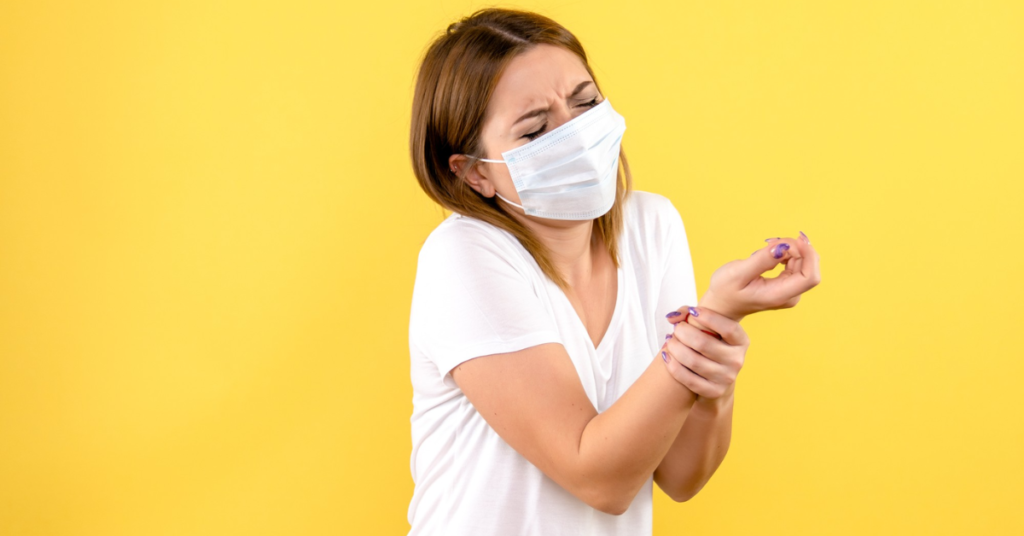
Many people have reported experiencing new or increased joint pain after recovering from COVID-19. While most patients recover completely, some may notice lingering symptoms such as muscle aches, stiffness, fatigue, and discomfort in different joints. If joint pain continues for a long time or affects daily activities, consulting an orthopedic doctor in Indore can help identify the underlying cause and provide appropriate treatment.
How Can COVID-19 Affect Your Joints?
COVID-19 mainly affects the respiratory system, but the body’s immune response during and after infection can sometimes contribute to inflammation. This inflammation may affect muscles, tendons, and joints, leading to pain and stiffness.
Some possible reasons for joint pain after COVID include:
- Increased inflammation in the body
- Reduced physical activity during recovery
- Muscle weakness due to prolonged rest
- Existing joint problems becoming more noticeable
- Post-viral fatigue affecting mobility
Common Joint Problems People Notice After COVID
Persistent Joint Stiffness
Some people experience stiffness in the knees, shoulders, hips, or hands, especially after sitting or resting for long periods.
Muscle and Joint Weakness
Long recovery periods can reduce muscle strength, putting extra pressure on joints and causing discomfort.
Increased Sensitivity to Pain
After an infection, some individuals may become more sensitive to pain signals, making existing joint issues feel worse.
When Should You Consult an Orthopedic Doctor?
Occasional body aches may improve with rest and gradual activity. However, you should seek medical advice if you experience:
- Joint pain lasting for several weeks
- Swelling or redness around joints
- Difficulty walking or performing daily activities
- Reduced joint movement
- Pain that continues despite rest and basic care
An experienced orthopedic surgeon in Indore can evaluate your symptoms and recommend the right treatment approach.
Treatment Options for Post-COVID Joint Pain
Treatment depends on the cause and severity of your symptoms. Your orthopedic specialist may suggest:
- Physiotherapy and stretching exercises
- Strengthening programs
- Lifestyle modifications
- Pain management strategies
- Treatment for underlying joint conditions
Early diagnosis can help prevent ongoing discomfort and improve joint function.
How to Protect Your Joint Health After COVID
You can support your recovery by:
- Slowly increasing physical activity
- Maintaining a balanced diet
- Staying hydrated
- Practicing gentle exercises
- Avoiding sudden heavy workouts during recovery
- Maintaining a healthy body weight
Joint pain after COVID can occur due to inflammation, reduced activity, or existing orthopedic conditions becoming more noticeable. Persistent pain should not be ignored. If you are experiencing ongoing joint discomfort, consult an orthopedic doctor in Indore for proper evaluation and personalized treatment.
FAQs
Can COVID cause long-term joint pain?
Some people may experience joint pain for weeks or months after COVID recovery due to inflammation or post-viral effects.
Which joints are commonly affected after COVID?
Knees, shoulders, hips, wrists, and other joints may experience pain or stiffness.
Can post-COVID joint pain improve naturally?
Mild symptoms may improve with rest, gradual exercise, and proper recovery, but persistent pain should be evaluated.
When should I see an orthopedic doctor in Indore?
Consult a specialist if joint pain lasts for several weeks, worsens, or affects your daily activities.
Can physiotherapy help with post-COVID joint pain?
Yes. Physiotherapy can improve flexibility, strength, and mobility when recommended by an orthopedic specialist.