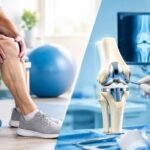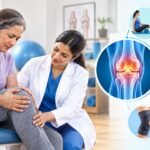
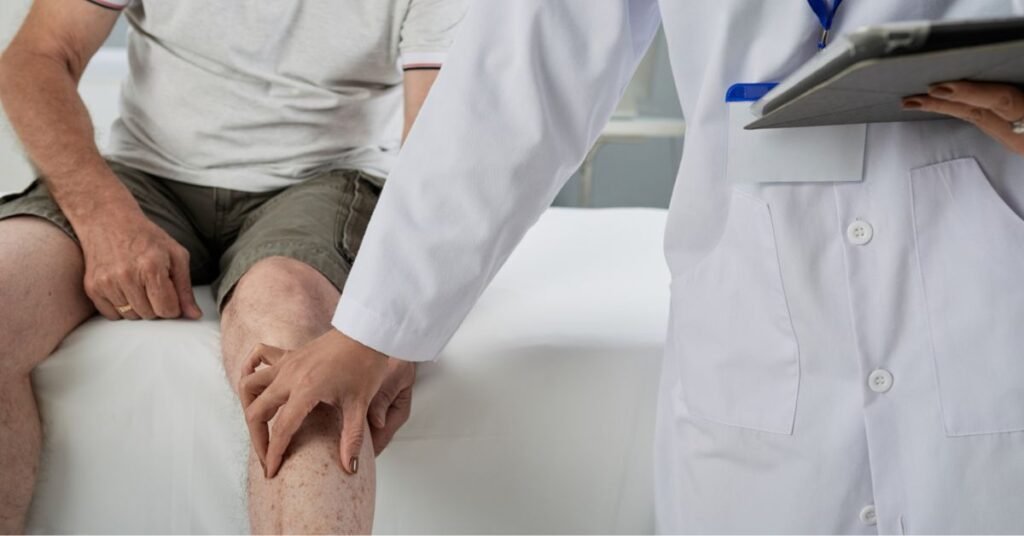
Knee injuries are common among people who participate in sports, exercise, or other physically demanding activities. A sudden twist, awkward landing, or direct impact can damage the structures inside the knee and lead to pain, swelling, or difficulty walking. While some sports injuries improve with rest and physiotherapy, persistent symptoms may require further evaluation.
If knee pain continues after an injury, Knee Arthroscopy Surgery in Indore may be considered when there is damage inside the joint that does not respond adequately to non-surgical treatment.
What Causes Knee Pain After a Sports Injury?
Sports-related knee pain can result from injuries to the ligaments, meniscus, cartilage, or other structures of the joint. Common injuries include:
- ACL or other ligament injuries
- Meniscus tears
- Cartilage injuries
- Knee dislocation or instability
- Sprains and strains
The severity of symptoms can vary depending on the type of injury. Some people may experience immediate swelling and pain, while others may notice clicking, locking, or instability later.
5 Signs You Should Get Your Knee Evaluated
After a sports injury, you should consider seeing an orthopedic specialist if you experience:
1. Persistent Knee Pain
Pain that does not improve with adequate rest and appropriate treatment should be evaluated to identify the underlying cause.
2. Repeated Knee Swelling
Swelling after an injury may indicate inflammation or damage within the knee joint. Recurrent swelling should not be ignored.
3. Knee Locking or Catching
A sensation that your knee is getting stuck or cannot fully straighten may occur with certain meniscus or cartilage injuries.
4. Knee Instability
If your knee repeatedly feels as though it may give way while walking, running, or changing direction, it may indicate ligament damage.
5. Difficulty Returning to Sports
If you cannot comfortably run, jump, squat, or perform normal sports movements after an injury, an orthopedic assessment can help determine the reason.
When Is Knee Arthroscopy Surgery Needed?
Not every sports injury requires surgery. Depending on the injury, doctors may initially recommend rest, activity modification, medication, physiotherapy, or other conservative treatments.
Knee arthroscopy surgery may be considered when there is significant internal knee damage or when symptoms continue despite appropriate non-surgical treatment. It can be used to diagnose and treat certain problems involving the meniscus, cartilage, and other structures inside the knee.
During arthroscopy, a small camera is inserted through a small incision to allow the surgeon to view the inside of the joint. Specialized instruments can then be used to treat the identified problem.
What Happens Before Knee Arthroscopy?
Before recommending surgery, an orthopedic specialist will usually evaluate your symptoms, medical history, knee movement, stability, and injury mechanism. Imaging tests, such as an MRI, may be recommended when a soft-tissue injury is suspected.
The treatment plan depends on factors such as:
- Type and severity of the injury
- Age and activity level
- Duration of symptoms
- Knee stability
- Response to non-surgical treatment
- Overall joint condition
How Long Does Recovery Take?
Recovery after arthroscopy varies depending on the procedure performed. A simple arthroscopic procedure may have a shorter recovery period than a meniscus repair or ligament reconstruction.
Physiotherapy and a gradual return to activity are often important parts of rehabilitation. Your orthopedic specialist can provide specific guidance regarding walking, driving, exercise, and returning to sports.
Why Early Evaluation Matters
Ignoring persistent knee pain after a sports injury may allow an underlying problem to continue affecting your movement and activity level. Getting the knee evaluated early can help identify the injury and determine an appropriate treatment approach.
If you are experiencing ongoing pain, swelling, locking, or instability after a sports injury, consult an orthopedic specialist. For patients seeking Knee Arthroscopy Surgery in Indore, a proper evaluation can help determine whether arthroscopy is the right treatment option.