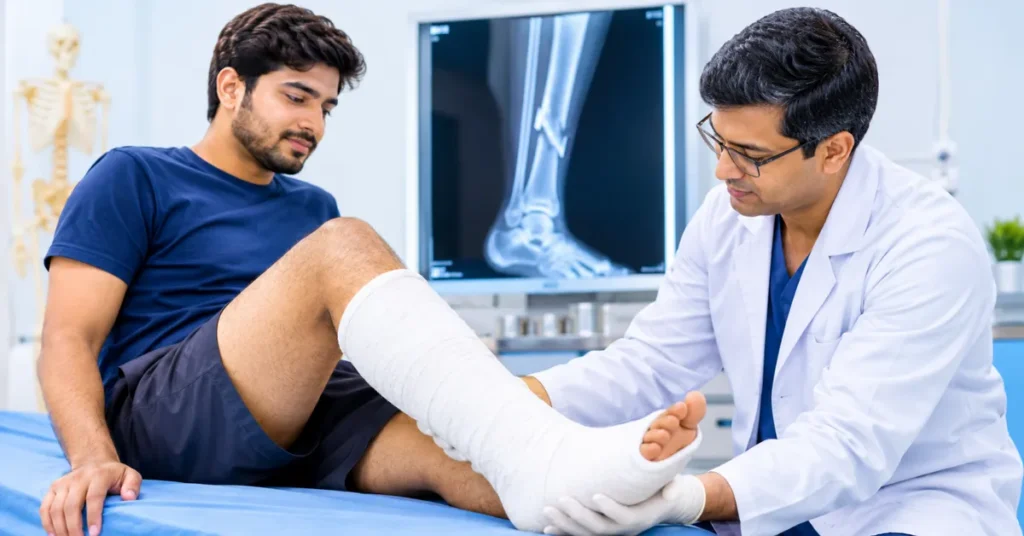
One of the most common reasons people come to an orthopedic clinic is a broken bone. The pain is sharp, swelling builds quickly, and simple daily activities become a struggle. Early assessment is so important because most fractures heal well when they are managed properly from the start.
Different Types of Fractures Explained
Not all breaks are created equally. A hairline fracture is not the same as a bone that has broken into several pieces. Some fractures stay in place, and some get out of line. Some break through the skin. Treatment will depend on how the break occurred.
Steps of Therapy
Doctors train in a relatively linear fashion:
- Relieve pain and assist the injured limb
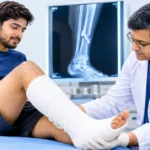
- X-rays to see the fracture
- Readjusting the bone if it has moved
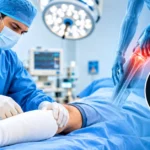
- Keeping it immobilized with a cast, splint or surgery
- Once healing begins, rehabilitation.
Conservative Care
If the position of the bone is good, it is treated either with a plaster or a brace. These methods are easy to use and simple and effective for many wrist, ankle, collarbone, and finger fractures. Regular X-rays are taken to make sure the bone is healing in line.
When surgery is necessary
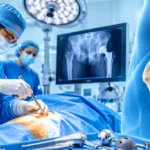
Internal fixation is typically recommended for badly displaced, unstable or comminuted fractures. Metal plates, screws, or rods hold the pieces together until they fuse together. Modern implants allow patients to begin moving sooner.
Finding the Right Doctor
A fracture specialist in Indore should be able to tell you why one method is better than the other. Ask about expected healing time, the chance of stiffness and what to avoid during recovery.
Recovery and rehabilitation
Most bones take six to twelve weeks to repair, but this depends on age, nutrition, and the bone involved. Uncontrolled diabetes and smoking may delay healing. Physiotherapy helps you to get your movement and strength back when the doctor says it’s OK.
Don’t Overlook a Potential Fracture
If you have pain that stops you using a limb, swelling, bruising or visible deformity, you will need an x-ray. Treating a fracture early gives the bone the best chance of healing straight.