A hip replacement is expected to last for many years. For most people, it does. But after a long period of comfort, sometimes the pain comes back, or the leg feels unstable or a limp develops. In that case, the implant itself may be the culprit, and a second surgery may help.
What Does a Second Hip Surgery Entail
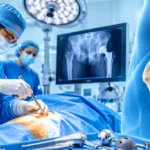
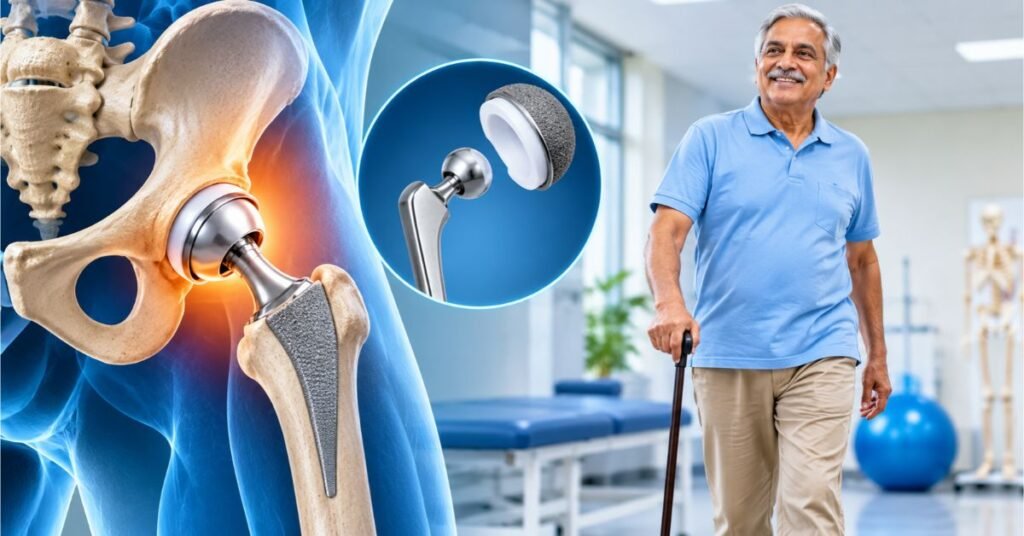
A second operation is not a repetition of the first. Then the surgeon will take out some or all of the old implant and replace it with new parts. Scar tissue needs to be removed, and the quality of the bone is examined. The work is more challenging than a first replacement.
Who This May Be For
If you are getting a revision hip replacement in Indore, you are probably in one of these categories:
- Lose implant
- Wear of bearing surface
- Recurrent dislocation
- Infection in your hip area.
- Implant-related fracture
- Pain after previous surgery with no obvious cause
Preoperative Evaluation
Treatment begins with careful history, examination, and fresh X-rays. Blood tests rule out infection. Further imaging may be done to assess the appearance of bone around the old implant. This will give the surgeon the size and type of new components needed.
How to Select the Right Specialist
The surgeon’s experience matters in revision cases, which are different from routine ones. A surgeon doing revision hip replacement in Indore should be able to deal with bone loss, remove well fixed implants safely and have a variety of implant systems to choose from. The hospital should also have the right equipment and support.
You will usually begin walking with a frame or crutches soon after the operation. Physiotherapy is dependent upon the stability of the new implant. Most patients will be back to their normal activities within a few months, but this will depend on the condition of the bone and the general health of the patient.
If you feel the pain in your hip returning, don’t let it get worse. The sooner the assessment, the more bones to work with. Make an appointment and bring your old reports and x-rays.