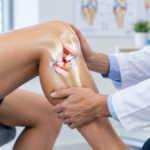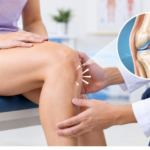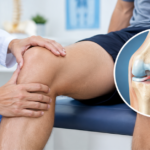
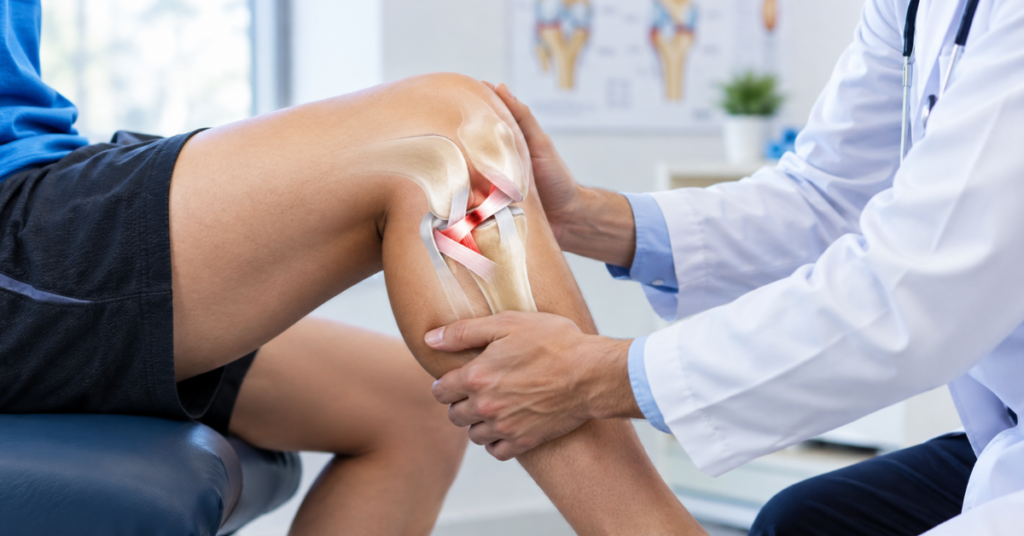
Swelling is one of the first things that happens to the knee when it gets injured. As the injury heals fluid will accumulate in and around the joint. The amount and speed of swelling can be an indication of the severity of the injury. An orthopedic surgeon in Indore can diagnose the cause and suggest the treatment.
Why do knees swell?
Rapid swelling (within hours): usually indicates bleeding inside the joint, often with ACL tears, fractures or kneecap dislocations
Slow swelling (over a day or more): could be a meniscus tear, cartilage injury, or inflammation of the lining of the joint
Other signs to look out for
- So bad pain
- A snap on the injury
- Give way or instability
- Locking or sticking
- Weight-bearing inability
- Heat and redness
Diagnose
The orthopedic doctor in Indore will check the knee for stability and may advise an X-ray or MRI to determine ligament, meniscus or bone injury.
Treatment
Minor sprains usually get better with rest, medication, bracing, and physiotherapy. If the ligament or meniscus injury is serious, arthroscopic surgery may be required. Fluid sometimes needs to be drained for relief or testing.
Why not ignore swelling.
Damage within the joint can mean ongoing swelling. If you return to sport too quickly, you may aggravate the injury.
Prevention
Warm up, build leg strength, use proper technique, and increase training slowly.
If your knee swells after an injury, schedule an appointment for a clear diagnosis and safe recovery plan.