
A Journey from Despair to Hope: Successful Bilateral Total Hip Replacement
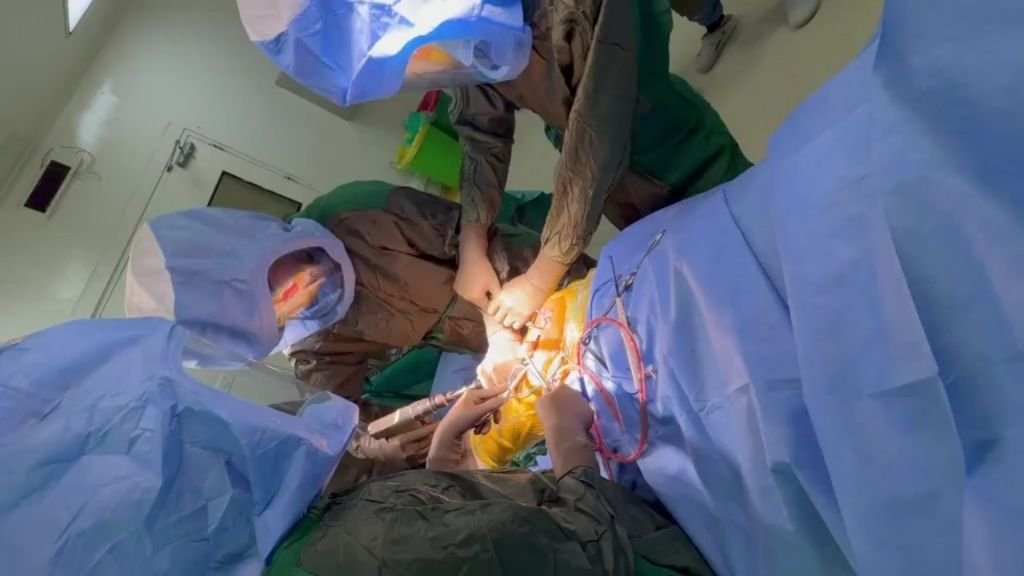
Patient's Initial Condition
Symptoms / Health Concerns
• Severe pain in both hips
• Difficulty walking, sitting, and climbing stairs
• Reduced mobility
• Difficulty performing professional and daily activities
• Significant decline in quality of life
Duration of Symptoms
The patient had been suffering from advanced avascular necrosis (AVN) of both hip joints for several years.
Previous Treatments
• Consulted 10–12 experienced joint replacement surgeons across major metro cities.
• An attempted left Total Hip Replacement elsewhere was abandoned due to suspected infection after surgical debridement.
• Continued pain, disability, and emotional distress despite previous treatment.
Diagnosis
Final Diagnosis
Advanced bilateral avascular necrosis (AVN) of the hip joints with no evidence of active infection.
Tests / Scans / Investigations
• Detailed blood investigations
• Advanced imaging studies
• Routine pre-operative assessment
• Intraoperative BioFire molecular testing of left hip tissue
• Post-operative X-rays
Treatment Details
Simultaneous Bilateral Total Hip Replacement
Duration: Both hip replacements were performed in a single surgical sitting, followed by rehabilitation and discharge after five days.
Advanced Techniques Used
• Intraoperative BioFire molecular testing to rule out infection
• Dual mobility hip implant systems
• Modern joint replacement techniques
• physiotherapy and enhanced recovery protocol
Results & Recovery
Patient Improvements
Following bilateral Total Hip Replacement, the patient experienced remarkable improvement in mobility and quality of life.
• Started walking the day after surgery
• Significant pain relief in both hips
• Improved hip movement and stability
• Successfully completed a 750–780 km road journey after discharge
• Returned to normal daily activities
• Resumed government duties
• Regained an active and independent lifestyle
Recovery Duration: Excellent functional recovery was achieved within 2 months after surgery.
Final Outcome
The patient regained pain-free mobility, returned to work, and resumed an active lifestyle with excellent implant stability and function.
Returned to Normal Activities: Yes
Case Highlights
What Makes This Case Unique
A highly complex case successfully managed after a previously abandoned hip replacement due to suspected infection. Simultaneous bilateral Total Hip Replacement was safely performed following comprehensive evaluation and intraoperative BioFire testing.
Complex / Rare Factors
Advanced bilateral AVN of the hips
Previously abandoned hip replacement surgery
Suspected infection requiring careful evaluation
Intraoperative molecular testing before implantation
Simultaneous bilateral hip replacement
Dual mobility implant technology for enhanced stability
Most Significant Benefit
Restoration of pain-free mobility, successful return to work, and improved quality of life through advanced bilateral hip replacement surgery.
Conclusion
This case demonstrates that even highly complex bilateral hip conditions with a history of failed surgery can be successfully treated through meticulous planning, advanced diagnostic techniques, and modern implant technology. Simultaneous Bilateral Total Hip Replacement using dual mobility implants enabled the patient to regain confidence, mobility, independence, and an excellent quality of life.